
Resources
What Makes a Weekend Guide Worth Saving?
Check the connections, access details and changing facts that turn a saved route into a usable day.
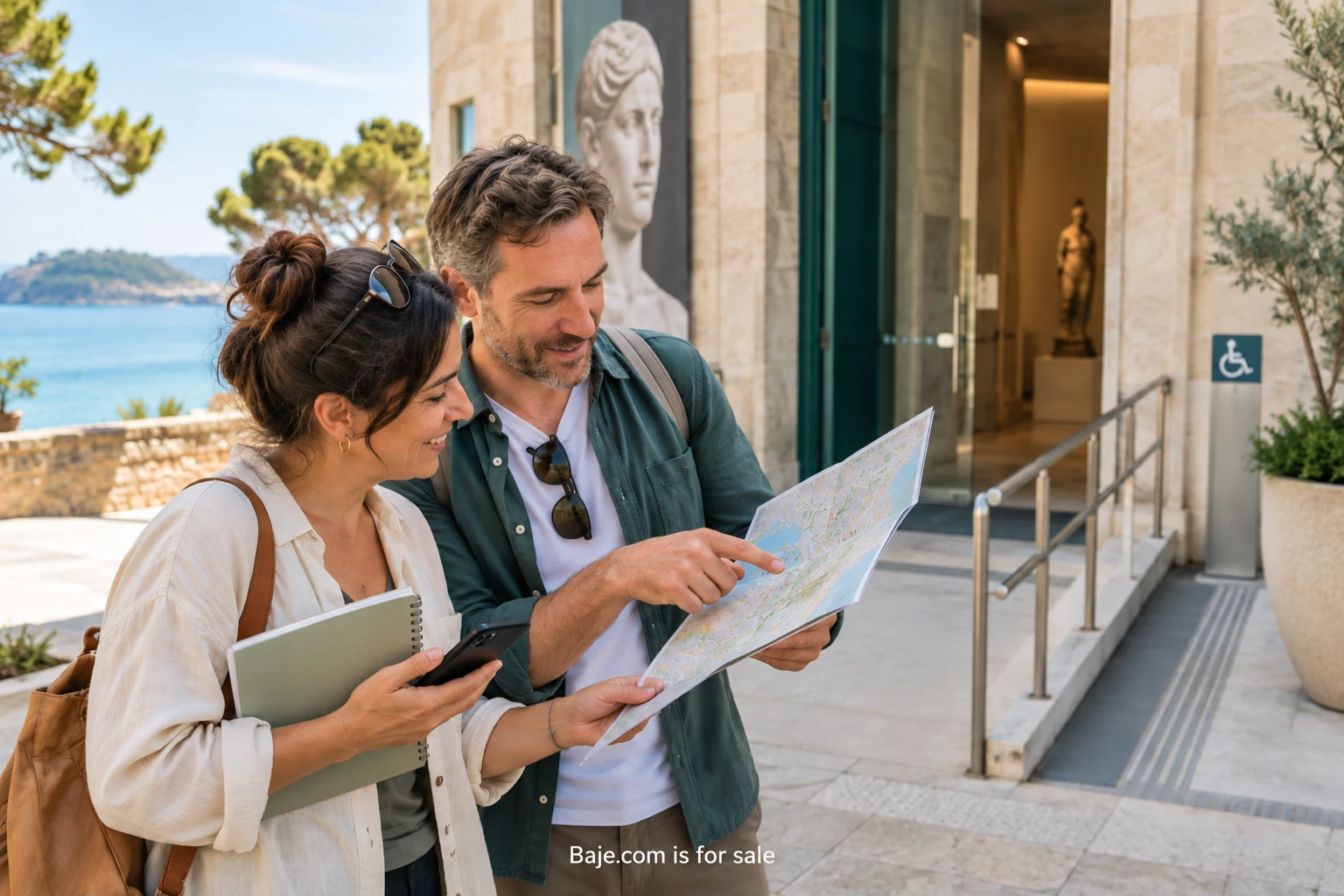
A weekend guide becomes useful when the reader can turn it into a day with few unresolved questions. The route needs a start, a sensible pace and a way to handle changes. A beautiful photograph can make a destination appealing, but it cannot tell someone whether the last train leaves before dinner or whether a reservation is required. The editor's job is to close those practical gaps while preserving enough choice for the reader to make the day their own.
Begin with the reader's available time. A visitor with four hours between arrival and a family dinner needs a different guide from someone spending two full days in a city. State the intended duration and starting area near the top. If the outing assumes a car, say so. If walking is the main connection, give the route shape and relevant conditions. A guide should not make a reader reverse-engineer these assumptions from a list of recommended stops.
Build around one main experience
Choose an anchor: a museum visit, a neighborhood market or a particular stretch of waterfront. Then add supporting stops that make sense before or after it. The anchor gives the day a purpose and helps the editor decide what to cut. Without it, a route can become a collection of attractive places whose only relationship is appearing in the same article. More stops do not automatically produce a more satisfying day.
Consider an illustrative route with a morning market, lunch nearby and an afternoon gallery. No real venue is implied in this example. The first question is whether the market operates on the selected day. The second is whether lunch can fit between the market and the gallery's entry time. The editor needs to check that sequence before recommending a fourth stop. A short route with generous transitions can be more practical than an ambitious itinerary that works only if nothing runs late.
Check the official sources
Use the operator's website for opening hours, ticket arrangements and current visitor instructions. Municipal and transit sources can answer route and service questions. Keep a record of the URL, what it supported and when it was checked. A search snippet is useful for finding a source, but it can reflect old information or omit exceptions. The published guide should link to the primary page that lets the reader verify the detail close to departure.
Official alerts may change the whole outing. The National Park Service's alert pages, for example, collect notices that can affect visits to parks. A city itinerary needs the equivalent checks for its venues and transport. A closure at the anchor stop is not a minor footnote. It may require a new route or a clear notice that the guide is temporarily unsuitable for the proposed day.
Report the connections
Travel time deserves the same attention as the attractions. Time the transfer under conditions relevant to the guide. A walk might involve stairs, a steep path or an awkward road crossing. A train connection might have a long wait at the time the route reaches it. State the important conditions and avoid presenting a map estimate as a guarantee. The reader needs an understandable allowance for movement and a reason to leave enough slack.
Describe the arrival point clearly. A venue's street address may send people to a service entrance, while the visitor entrance is on another side. If the operator provides entrance instructions, include the relevant detail and link to the current source. Parking and pickup information should be specific when verified. If the editor cannot establish a practical detail, acknowledge the gap and point readers toward the operator rather than inventing certainty.
Make access information concrete
Avoid calling a whole itinerary accessible after checking only one stop. Different readers need different information. Surfaces, seating, restrooms, entrances, assistance policies and transport all matter. The National Park Service accessibility planning resources offer an example of organizing information around varied visitor needs. Use specific facts and attribute operator statements. A single icon cannot carry all of that meaning reliably.
Ask a reader what they would need to know before leaving home, then check whether the guide answers it. Someone may be able to enter a venue but still need to know the distance to a restroom or where they can sit during a queue. If a detail is unverified, state that limitation close to the relevant stop. Inviting readers to confirm a specific detail is more useful than a blanket instruction to “check everything” after an otherwise confident itinerary.
Budget the time people actually use
Allow for a meal, a restroom stop and a pause. Readers may want to linger at the anchor rather than complete every suggestion. Present optional additions as optional and identify where they fit. A guide becomes brittle when one delay makes the remaining schedule impossible. Instead of promising a perfect sequence, explain which reservation or closing time is the fixed constraint and which parts can move.
Weather alternatives should preserve the main purpose where possible. A rainy-day replacement for a walking route needs its own verified hours, transport and entry arrangements. Do not add a generic “visit a museum instead” sentence without considering where that museum is or whether the reader can enter. An alternative is a small itinerary of its own. It deserves enough reporting to be used, especially when the original route depends on favorable conditions.
Explain money without false precision
Identify which stops charge admission and where reservations or advance payment may be needed. Use verified current amounts only when the publication can maintain them, and show the checked date. An illustrative budget can help a reader plan, but label it as an estimate and explain its assumptions. Meals, transport and optional purchases can vary widely. Avoid presenting one total as if every visitor will spend it.
Separate recommendation from commercial relationships. If a publisher receives payment, a free visit or another relevant benefit, the reader may need to know that when evaluating the recommendation. The FTC's endorsement guidance is a primary reference for U.S. disclosure questions. An editor should develop a clear policy before accepting those arrangements. A practical route can be undermined by a relationship readers discover only after following its advice.
Make the page easy to return to
A saved guide should have a descriptive title, visible checked date and quick access to the route's practical information. Put official links beside the relevant stops. Use headings that identify the part of the day rather than clever phrases a reader must decode. If there is a printable or compact version, keep its facts synchronized with the main page. A stale summary can cause the same problems as an outdated full article.
Readers often return to a guide on a phone while moving. Test the page at that moment: can they find the next stop, its entrance and the official booking link without rereading the introduction? Keep useful context, but give logistics a clear home. A route map may help when it matches the written sequence. It should not replace explanations of unusual connections or imply that every path is suitable for every visitor.
Maintain what people save
Assign a next-check date and a person responsible for the guide. Track recurring sources so a change can be carried across every affected article. A correction message should explain what matters to using the route. Small spelling edits and a closed anchor venue do not require the same prominence. The publication needs a way to receive reports from readers and a process for checking them before replacing verified information.
Audit one itinerary before commissioning another. Ask whether a reader can determine the start, duration, fixed bookings, transport, access limitations, costs and alternatives from the page. Test the route with someone who did not help write it and record the questions they still ask. Those gaps are the next editing task. A weekend guide worth saving is built through reporting and maintenance. The reader should leave with an outing they can understand, adjust and verify when the day arrives.